.png&w=1920&q=75)
RTD Sensors
11 Product Groups
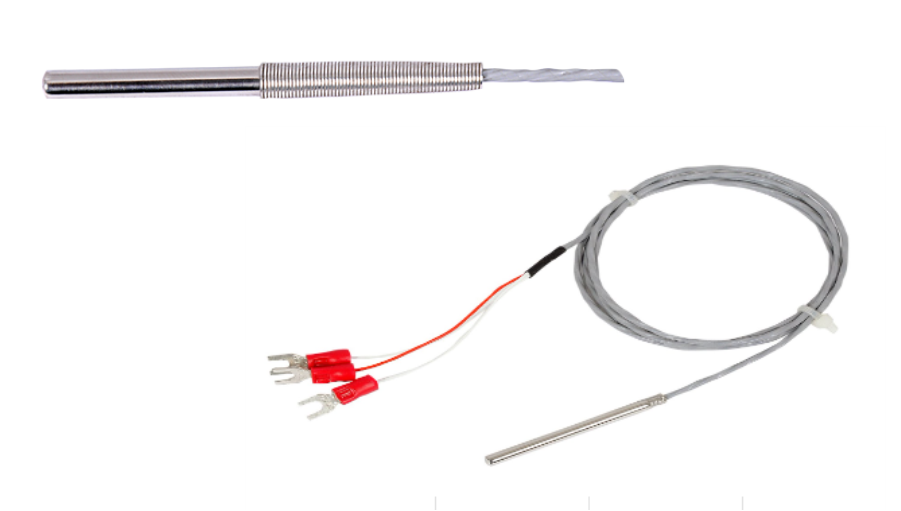
RTD Sensors For Special Applications
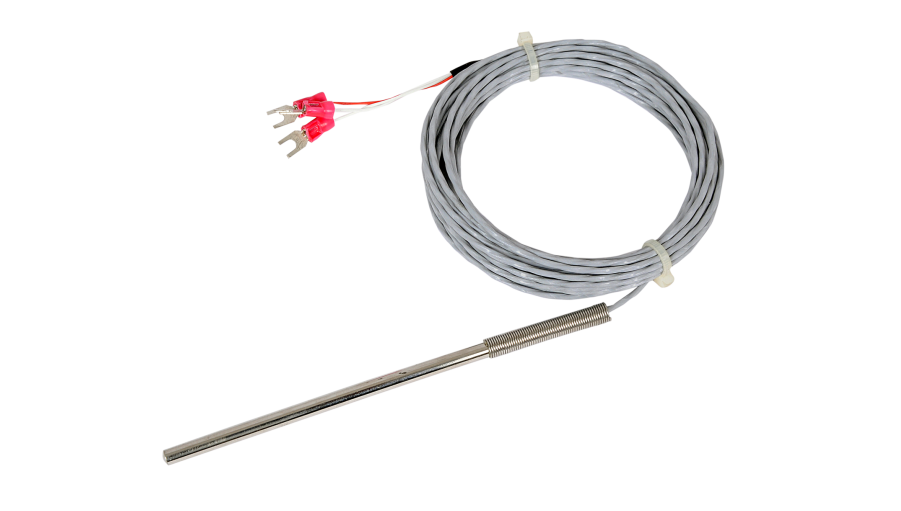
Transition Joint RTD Sensors
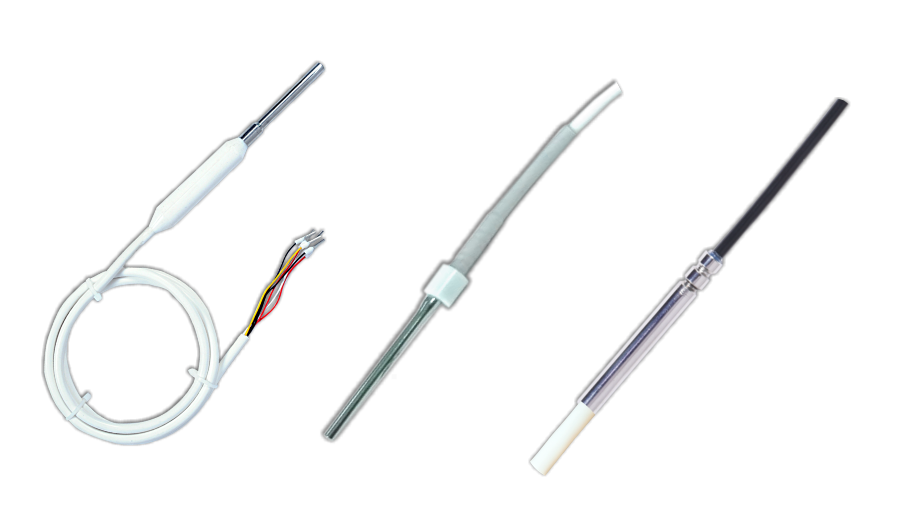
RTD Sensors For Autoclave
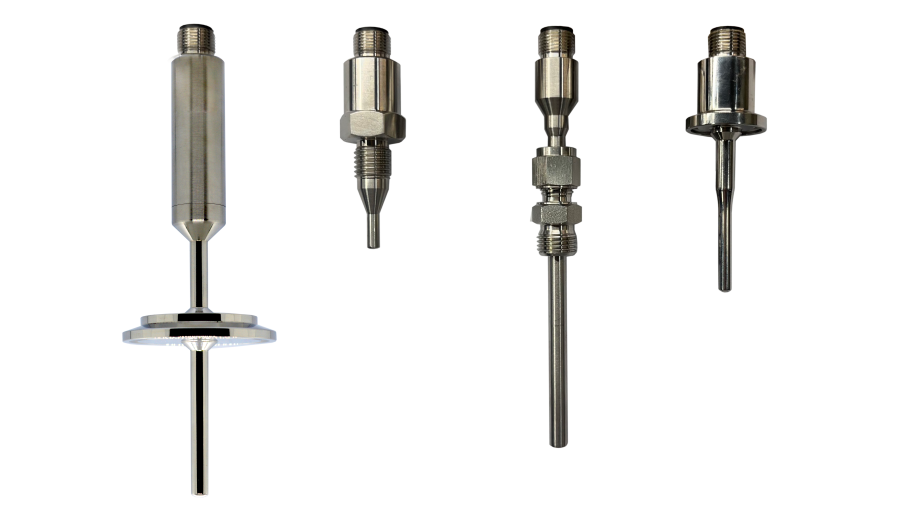
Pipeline RTD Sensors
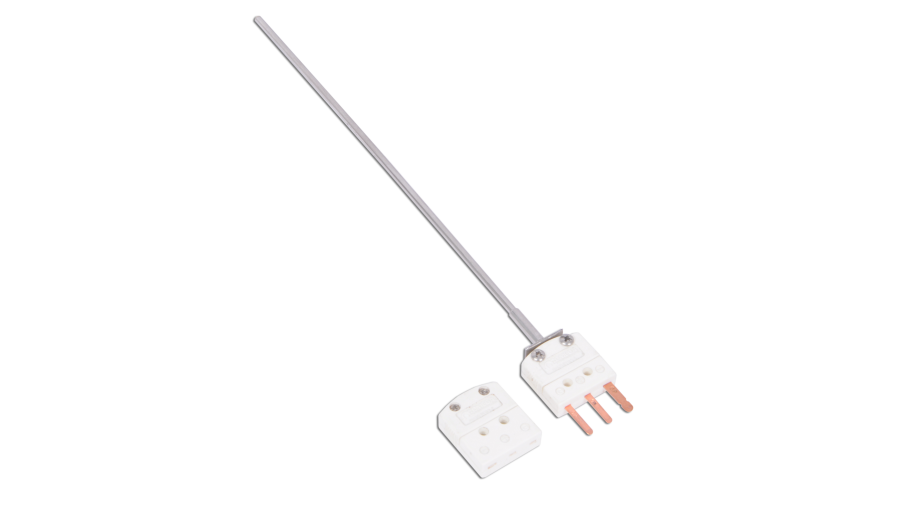
Quick Disconnect RTD Sensors
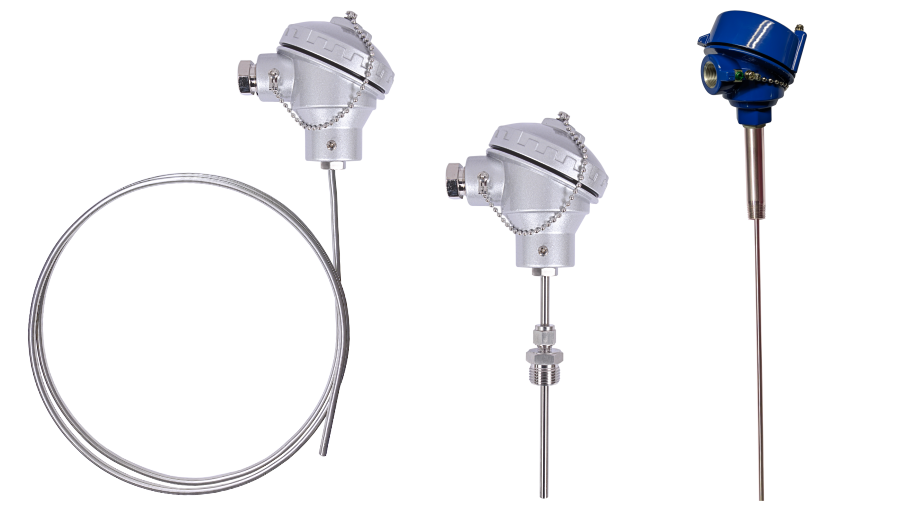
Mineral Insulated RTD Sensors
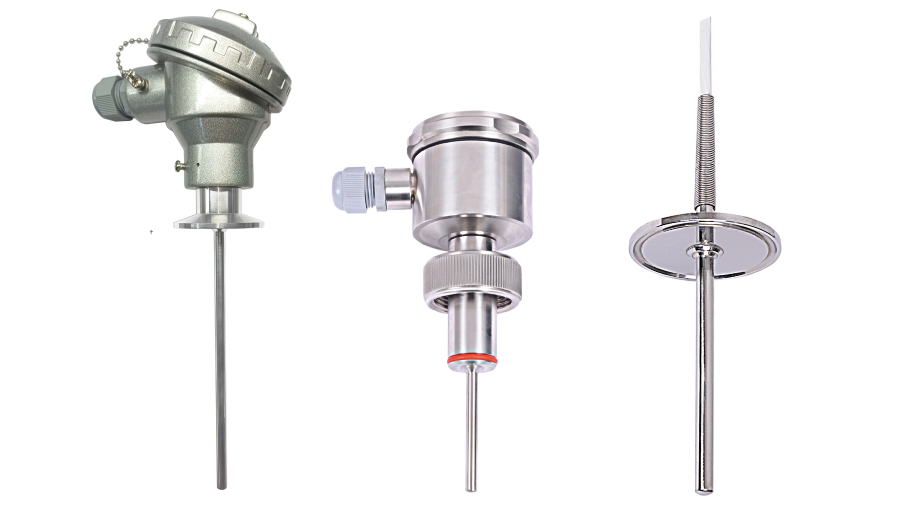
Sanitary RTD Sensors
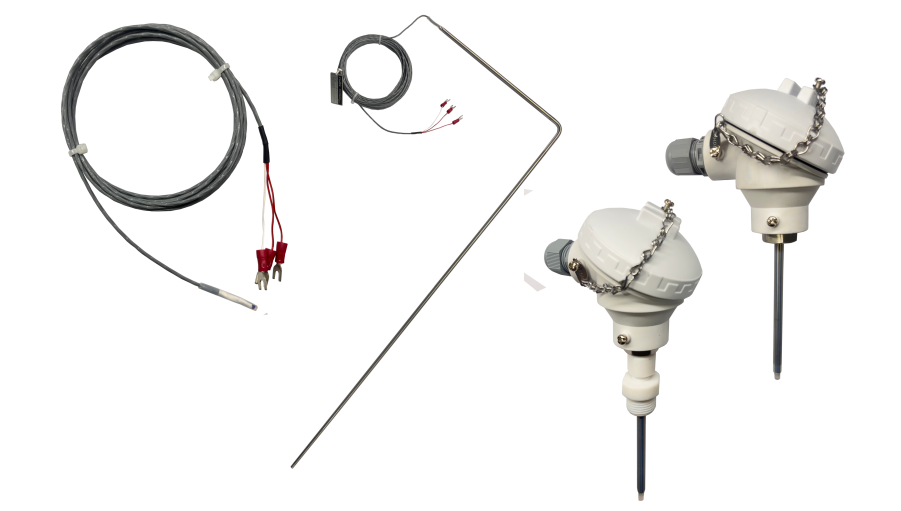
Acid and Alkali RTD Sensors
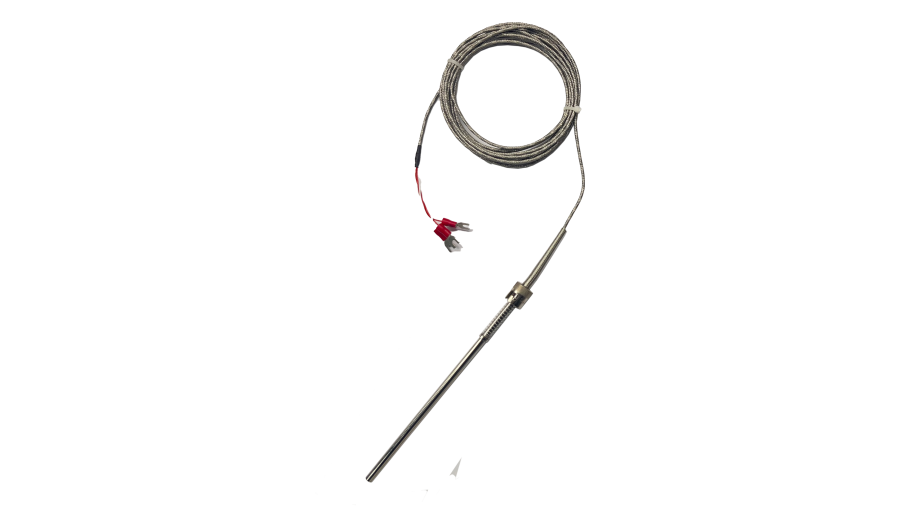
Bayonet Style RTD Sensors
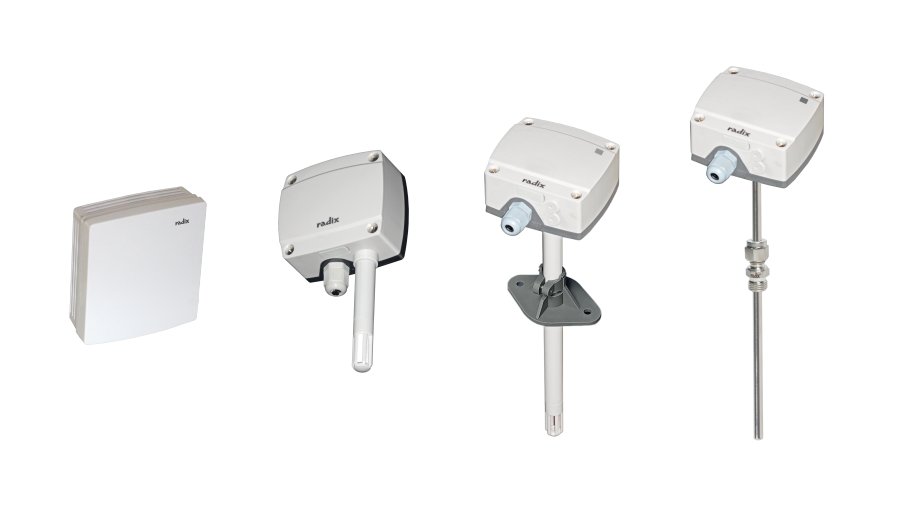
HVAC RTD Sensors
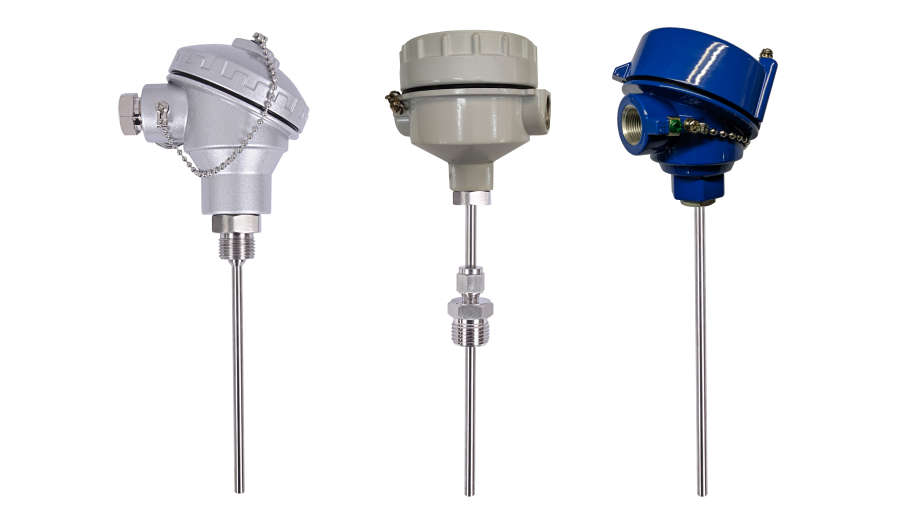
General Purpose RTD Sensors
Know more about RTD Sensors
What are RTD Sensors?
Resistance Temperature Detectors (RTDs) are highly reliable, high accuracy sensors used for precise temperature measurement. Commonly known as RTD probes or temperature probes or Platinum Resistance Thermometers (PRTs), these devices are typically made with platinum elements and operate by sensing changes in electrical resistance as temperature varies.
There are different types of RTD sensors available, along with multiple wiring configurations such as 2-wire, 3-wire, and 4-wire, each suited to specific application requirements.
How does the RTD Sensor Probe work?
RTD sensors are devices whose working principle is based on the variation in the electrical resistance of metals with temperature. As the temperature increases, the resistance of the metal conducting element in the RTD increases. This measurable change is then converted into an accurate temperature reading.
This is achieved by passing a constant current through the RTD element resistance, converting it into a voltage. This is accomplished in devices such as two-wire temperature transmitters, which measure the non-linear resistance of the RTD element and linearise the measurement, to give a temperature linear output.
The temperature vs. resistance relationship as well as tolerances conform to the standard IEC 60751:2022 (or the German standard DIN EN IEC 60751:2023-06). Both these standards are based on the ITS-90 temperature scale.
Platinum RTDs, largely Pt100 sensors, are widely used for precise temperature measurement. These sensors are defined by a base resistance (R₀) of 100 Ω at 0°C.
They offer a broad operating range from –200°C to 850°C, over which their resistance vs temperature characteristic is defined. In practice, typical industrial usage is up to 400°C.
The sensitivity of the RTD is represented by the temperature coefficient (α), derived between 0°C and 100°C:
ɑ = (R100 - R0) / (R0 x ΔT)
While pure platinum exhibits a coefficient of 0.003926, standardized RTDs conform to 0.00385 as per IEC 60751 and ASTM E1137 standards. This is achieved through controlled material modification to ensure consistency and repeatability.
Types of RTD Sensors
RTDs are available in different types based on sensing element, construction, and application requirements. Selecting the right type of RTD depends on accuracy needs, installation conditions, and process environment.
Based on Sensing Element
- Pt100 RTD: The most commonly used RTD, with a resistance of 100 Ω at 0°C. It offers high accuracy, stability, and is suitable for a wide range of industrial applications.
- Pt1000 RTD: With a resistance of 1000 Ω at 0°C, this type provides higher sensitivity and better performance over longer cable distances.
Based on Construction Type
- Mineral Insulated (MI) RTD: Built with compacted MgO insulation and a stainless steel sheath (typically SS316), these RTDs are flexible, durable, and ideal for harsh industrial environments.
- Surface RTD: Used for measuring surface temperature of pipes, vessels, and rotating equipment where insertion is not possible.
- Hygienic / Sanitary RTD: Designed for pharma, food, and beverage industries, ensuring cleanability and compliance with hygienic standards.
- Multipoint RTD: Used to measure temperature at multiple locations within a single assembly, ideal for reactors, tanks, and large vessels.
RTD Wiring Configurations
RTD sensors are available in different wiring configurations, which affect measurement accuracy and compensation of lead wire resistance.
- 2-Wire RTD: The simplest configuration, where the same wires are used for both current supply and measurement. Suitable for short distances where lead resistance has minimal impact.
- 3-Wire RTD: The most widely used configuration in industrial applications. It compensates for lead wire resistance, offering a good balance between accuracy and cost.
- 4-Wire RTD: Provides the highest accuracy by completely eliminating the effect of lead wire resistance. Ideal for precision-critical applications and laboratory use.
Common RTD Applications and How Radix Delivers Reliable Solutions

Radix range of RTD Sensors
Radix has built a strong reputation in India for its high-quality, precision-engineered RTD sensors. With over 39 years of manufacturing experience, Radix delivers reliable and well-engineered temperature measurement solutions across industries.
Our RTD sensors are designed and manufactured in compliance with international standards such as ATEX, IECEx, CCOE/PESO, and CE, and can also be supplied with NABL certification for assured quality and traceability.
Terminations & Mounting Options
The Radix range of RTDs is available with multiple termination options, including terminal head (thermocouple head), cable termination, and connectors. These sensors can also be supplied with thermowells and head-mounted temperature transmitters, enabling direct signal output (2-wire, 4-20 mA).
Hazardous Area Compatibility
- Radix RTD sensors are suitable for both safe and hazardous areas. For hazardous environments, sensors can be supplied with certifications for Zones IIA, IIB, and IIC.
- They are available with protection such as Ex db gas group IIC (~NEMA 6), T6 PESO, and Ex tb IIIC T85°C Db IP67 (-20°C < Ta < 60°C), ensuring safe operation in demanding conditions.
Wiring Configurations & Sensing Elements
- Radix RTD sensors are available in 2-wire, 3-wire, and 4-wire configurations to suit varying accuracy and installation requirements.
- They are offered with both Pt100 and Pt1000 sensing elements, ensuring high accuracy, stability, and compatibility across diverse industrial applications.
Construction & Material
- Radix provides flexible Mineral Insulated (MI) cables with compacted MgO insulation and SS316 sheath, designed for durability in harsh environments. These are available in multiple outer diameters, including 2.3, 3, 4, 5, 6, and 8 mm.
- For specific project requirements, RTDs can also be manufactured in US customary units (inches, feet, etc.).
Standards & Accuracy
Manufactured in accordance with IEC 60751 and ASTM E1137 standards, Radix RTD sensors offer high precision with accuracy classes such as:
- Class A: ±(0.15 + 0.002 × t) °C
- Class AA: ±⅓ × (0.3 + 0.005 × t) °C
For ultra-high precision applications, Radix also offers ⅕ DIN RTDs.
Terminal Heads and Ingress Protection
Radix terminal heads are available in die-cast aluminium, stainless steel, and polypropylene. These are designed with ingress protection ratings from IP65 to IP68, ensuring reliable performance in harsh industrial environments.
Ingress Protection (IP) ratings define the level of protection against dust and water:
- IP65: Completely protected against dust and resistant to low-pressure water jets from any direction
- IP66: Dust-tight and protected against strong water jets
- IP67: Dust-tight and protected against temporary immersion in water
- IP68: Dust-tight and suitable for continuous immersion under specified conditions
Temperature Range
Radix RTD sensors are designed for reliable operation in industrial applications up to 400°C.
For specialized applications, sensors can be manufactured to operate at temperatures as low as -200°C and as high as 600°C.
Customization and Build Flexibility
- Radix manufactures RTDs with customizable lengths ranging from 200 mm to 20,000 mm (8” to 66 ft), enabling flexibility across various process requirements.
- Transition joint RTDs are also available, typically using PTFE cables rated up to 260°C.
Radix offers RTD sensors for a wide range of applications:
- Autoclave Temperature Monitoring: Models RAC240, RAC241, RAC251
- Compact Construction & Pipeline Temperature Measurement: Models RCP201, RCP211
- Hygienic / Sanitary Applications: Models RHS600, RHS602, RHS701
- HVAC Applications: Model RHV201
- General Industrial Applications: Models RHW501, RHW201, RTJ201, RCQ200
- Surface Temperature Measurement: Models RSW201, RST201, RPB201
- Acid & Alkaline Environments: Model RAA201
- Rubber & Tyre Industry: Models RTR200, RTR300, RTR400, RWR200
- Multipoint Temperature Measurement: Model RHM501
Industries we serve:
With high repeatability, accuracy, and reliability, Radix RTD sensors are widely used across:
- Process industries
- Pharmaceutical industry
- Food and beverage industry
- Distilleries and dairy
- Power plants
- Wastewater treatment
- Engineering and machinery
- Steel and metal industry
- Rubber and tyre industry
- HVAC systems
- Battery manufacturing
Our manufacturing facility:
This full range of RTD Sensors is manufactured at our modern, well equipped manufacturing facility in Navi Mumbai. The factory is certified for ISO 9001:2015, ISO 45001:2018 and ISO 14001:2015. These RTD Sensors can also be supplied with a test certificate from our in-house accredited NABL Test Laboratory (NABL - National Accreditation Board for Testing and Calibration Laboratories).
We have a large list of OEM customers from every industry, using customized RTDs designed and developed specially for them. Many OEMs have been using Radix RTDs for over 2 decades.
RTD Sensors by Radix
Frequently Asked Questions
Radix RTD sensors are trusted for their reliability, precision, and engineering excellence. With over 40 years of experience, Radix offers a wide range of RTD solutions designed to meet diverse industrial requirements. Our sensors are manufactured in compliance with international standards such as ATEX, IECEx, CCOE/PESO, and CE, and can also be supplied with NABL certification.
Additionally, we provide customization options to suit specific application needs, ensuring optimal performance across industries.
An RTD (also known as temperature probe) is a highly accurate temperature sensor that measures temperature based on changes in electrical resistance.
Pt100 and Pt1000 are types of platinum RTD (Resistance Temperature Detector) sensors defined by their resistance at 0°C.
- Pt100: Has a resistance of 100 Ω at 0°C. It is the most widely used RTD type in industrial applications due to its high accuracy, stability, and compatibility with standard instrumentation.
- Pt1000: Has a resistance of 1000 Ω at 0°C. It offers higher sensitivity and better signal stability, making it suitable for longer cable runs and applications where minimizing signal loss is important.
Both Pt100 and Pt1000 sensors provide precise and reliable temperature measurement, with the choice depending on application requirements and installation conditions.
Pt100 and Pt1000 RTDs differ primarily in their base resistance and application suitability.
- Pt100 (100 Ω at 0°C) is the most widely used RTD type in industrial applications. It offers high accuracy and stability, making it ideal for general process industries, shorter cable runs, and environments where standard instrumentation is used.
- Pt1000 (1000 Ω at 0°C) provides higher resistance, which improves signal sensitivity and reduces the impact of lead wire resistance. It is preferred for applications involving longer cable lengths, lower power consumption, or where better noise immunity is required.
In summary, Pt100 is suitable for most standard industrial applications, while Pt1000 is better suited for long-distance measurements or where higher signal stability is needed.
RTDs typically operate from -200°C to +600°C, depending on design and materials.
Yes. RTDs can be paired with transmitters to provide 4–20 mA output and support communication protocols like HART or Modbus, making them easy to integrate into control systems.
Selecting the right RTD sensor depends on your specific application and operating conditions. Key factors to consider include:
- Temperature range: Ensure the RTD is suitable for your operating temperature and process limits
- Process conditions: Consider factors such as vibration, pressure, corrosive environment, and installation location
- Mounting style & immersion length: Choose the appropriate fitting (threaded, flanged, thermowell) and insertion depth for accurate measurement
- Accuracy requirements: Select the required accuracy class (Class A, Class AA, etc.) based on your process needs
Choosing the correct RTD sensor ensures reliable temperature measurement, longer sensor life, and optimal process performance.
Platinum is the most widely used material in RTD sensors due to its stable and repeatable resistance–temperature relationship over a wide temperature range. It offers excellent linearity, enabling accurate and consistent temperature measurement from very low to high temperatures.
Additionally, platinum is chemically inert, making it highly resistant to corrosion and suitable for use in diverse industrial environments. RTDs used in international temperature standards (ITS-90) are based on platinum due to its reliability and precision.
The response time of an RTD sensor refers to how quickly it reacts to a change in temperature. It depends on several factors, including:
- Probe diameter: Smaller diameter probes respond faster due to lower thermal mass
- Insertion length & mounting method: Proper immersion improves heat transfer and response speed
- Process medium: Liquids typically provide faster response than air or gases
Selecting the right probe design helps ensure faster and more accurate temperature measurement.
RTD sensors are available with a variety of mounting options to suit different installation and process requirements:
- Adjustable compression fittings (BSP, NPT, or metric threaded) for flexible positioning
- Fixed threaded fittings for secure and permanent installation
- Nipple-Union-Nipple (NUN) assemblies for easy installation and removal
- Flanged mounting for high-pressure or large process connections
- Thermowell-mounted RTDs for sensor protection and easy maintenance without process shutdown
Choosing the right mounting option ensures proper installation, durability, and accurate temperature measurement.
Resistance Temperature Detectors (RTDs) are preferred in many applications where high accuracy, stability, and repeatability are critical.
- Higher accuracy and stability: RTDs provide more precise and consistent readings over time compared to thermocouples
- Better repeatability: Ideal for process control applications where consistent measurement is required
- Less drift: RTDs maintain calibration longer, reducing the need for frequent recalibration
- Wide usable range for industrial applications: Especially effective from -200°C to ~400°C (and beyond in some cases).
Compared to other sensors:
- Thermocouples are better suited for very high temperatures and faster response, but offer lower accuracy and can drift over time
- Thermistors provide high sensitivity over a narrow range, but are less suitable for wide industrial temperature ranges
In summary, RTDs are the preferred choice for accurate, stable, and reliable temperature measurement in industrial applications, while thermocouples are used for extreme temperatures and thermistors for limited-range precision sensing.